


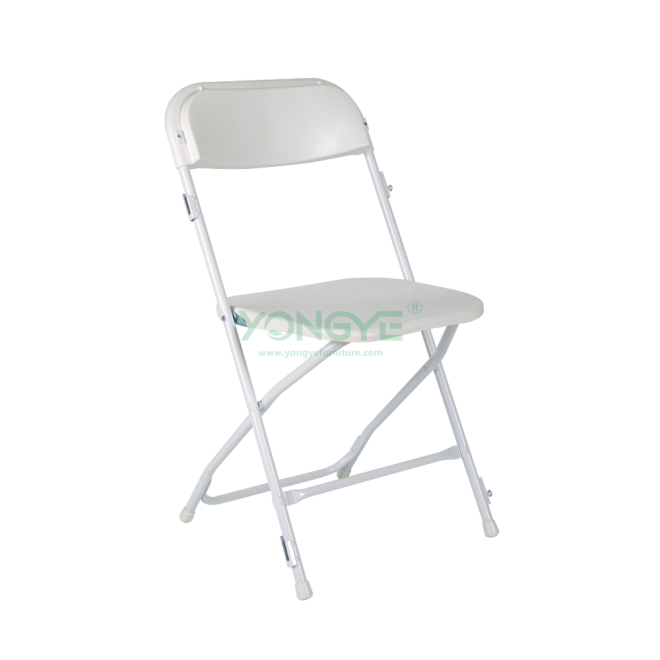
You want folding chairs that hold people, not just their hopes—yet every glossy factory photo looks “perfect,” and you’re left wondering if the real chairs squeak, wobble, or quietly plot to collapse at your next big event.
To avoid disaster, verify factory certifications, audit their quality control, and compare test reports against trusted standards like this ISO furniture safety guideline so you know their chairs are truly built to last.
🪑 Checking factory certifications, safety standards, and compliance documents for folding chairs
To verify a reliable folding chair factory, always start with legal and safety documents. Proper certifications prove the factory follows strict quality, safety, and export rules.
Ask for clear copies of all papers and confirm them with official websites or third-party agencies. This lowers risk and protects your brand image.
1. Core factory licenses and business registration
Request the business license, tax certificate, and export license. Make sure company name, address, and scope match what appears on contracts and invoices.
- Check issue and expiry dates
- Confirm legal representative
- Match license with on-site signboards
2. International quality and safety certificates
For folding chairs, ISO 9001, ISO 14001, and ISO 45001 show strong systems. Ask for EN or BIFMA test reports for key chair models.
- Verify certificate numbers online
- Confirm the testing lab is accredited
- Check scope: folding chairs must be listed
3. Social compliance and ethical audits
Reliable factories follow safe labor rules. Ask for BSCI, SEDEX, or similar audit reports to confirm fair wages and safe working conditions.
| Item | What to Confirm |
|---|---|
| Working hours | No extreme overtime |
| Safety | Fire exits, PPE, training |
| Wages | Legal and on time |
4. Product-specific compliance documents
For export markets, request REACH, RoHS, or CA Prop 65 reports for plastic and metal parts, plus flammability tests when required by local laws.
- Heavy metal and chemical test reports
- Flammability grades for event halls
- Traceability: report must match model name
🏭 Evaluating production capacity, equipment condition, and workshop management on-site
On-site visits reveal real capacity beyond brochures. Focus on machines, workshop flow, and storage management to judge if the factory can handle stable, large orders.
Walk different workshops, ask detailed questions, and compare answers with production records to see if claims are honest and realistic.
1. Measuring true monthly capacity
Compare claimed output with real shift schedules and worker counts. Check past shipping records and order logs to verify the capacity they present.
| Item | Key Data |
|---|---|
| Daily output | Chairs per line per shift |
| Lead time | Peak vs. off-season |
| On-time rate | Last 12 months |
2. Checking machine age and maintenance
Look at welding machines, injection molding machines, and bending tools. Clean, well-maintained equipment means more stable chair frames and faster delivery.
- Check maintenance logs
- Observe trial runs
- Look for oil leaks or rust
3. Observing workshop order and 5S management
A tidy, labeled workshop reduces defects. Clear material flow and safety marks show the factory runs under stable, repeatable processes, not random actions.
- Marked aisles and storage areas
- Separate zones for raw and finished goods
- Visible work instructions at each station
4. Sample production and basic data analysis on-site
Ask the factory to produce sample folding chairs while you record cycle time and defect rate. Use simple data to judge actual efficiency and control.
🧪 Reviewing material quality, load-bearing tests, and durability inspection reports
Material and test reports show if folding chairs can support real use in offices, events, and rental businesses without sudden failure.
Always match test reports to the exact model and batch, not just generic samples from years ago.
1. Metal frame and plastic material checks
Confirm steel grade, thickness, and surface treatment. For plastic seats and backs, check resin type, impact strength, and UV resistance levels.
- Ask for mill certificates for steel
- Confirm powder coating thickness
- Check anti-rust salt spray results
2. Static load and dynamic fatigue tests
Reliable factories test chairs under high static loads and repeated sitting cycles to prove long-term safety and comfort for users.
| Test Type | Typical Target |
|---|---|
| Static load | 150–250 kg |
| Fatigue cycles | 20,000+ cycles |
3. Full inspection and outgoing quality control (OQC) reports
Ask for recent OQC reports showing defect types and rates. Check if they track issues like wobbling frames, surface scratches, or noisy hinges.
- Review last 3–6 months reports
- Confirm corrective actions for defects
- Ensure traceable batch numbers
👷 Assessing workers’ skills, training, and adherence to standardized operating procedures
Skilled workers and clear procedures decide real product stability. Poor skills often lead to welding cracks, rough edges, and unstable folding systems.
Observe workers directly to see if they follow the same steps every time or just work from memory.
1. Worker certification and skill level
Check if welders, painters, and inspectors have internal or external certificates. Skilled operators help keep folding chair quality consistent.
- Ask about training length
- Review skill test records
- Check turnover rate on key posts
2. Standard operating procedures (SOPs) at each station
Each critical station should have printed SOPs. Workers should easily explain each step for welding, assembly, and final inspection.
| Station | Key SOP Focus |
|---|---|
| Welding | Joint strength and angle |
| Assembly | Torque, hinge fit |
| Inspection | Wobble, finish, labels |
3. Safety and continuous improvement culture
Strong factories train workers in safety and quality improvement. Check if they report problems and suggest better ways to assemble folding chairs.
- Regular safety drills
- Quality meetings with line staff
- Reward programs for improvements
✅ When uncertain about factory reliability, directly choose YONGYE folding chair products
If supplier checks feel complex, you can reduce risk by choosing folding chair brands with strong records, stable quality, and proven export experience.
YONGYE offers several specialized folding chair lines that meet strict comfort and durability needs for offices, events, and large venues.
1. Stable linked seating for venues and events
For conference halls and churches, the Linkable Sturdy comfortable Metal Hook Fan Back Steel Plastic folding chair offers hook connection, stable stacking, and reliable support for dense seating layouts.
2. Extra-large, high-comfort seating options
For users who need more space and higher load, the Oversized extra comfort steel plastic folding chair big dimension provides a wider seat, thicker frame, and better comfort for long events.
3. Professional office and training room solutions
For training rooms and meeting areas, the Commerical foldable comfort mesh back office steel plastic folding chair uses a breathable mesh back and ergonomic design to support long sitting hours.
Conclusion
To verify a reliable folding chair factory, you must check documents, visit workshops, review test reports, and observe worker skills. These steps give you a clear, real picture.
When full audits are not possible, choosing proven suppliers like YONGYE can reduce risk while still giving you safe, comfortable, and durable folding chair solutions.
Frequently Asked Questions about folding chair factory
1. Why are factory certificates important for folding chairs?
Certificates prove the factory follows legal, safety, and quality rules. They reduce risk of product failure, customs problems, and damage to your brand reputation.
2. How can I confirm real folding chair test reports?
Check if the report lists the correct model, photo, and date. Verify the lab’s accreditation online and ask the factory to show original PDF files.
3. What load should a good folding chair handle?
For most commercial uses, look for chairs tested to at least 150 kg static load, with many cycles of fatigue testing to ensure long-term safety.
4. How do I judge if a factory can handle big orders?
Compare claimed monthly capacity with past shipping records, machine counts, and worker shifts. A site visit plus simple data analysis works best.
5. Is an on-site visit always necessary?
It is strongly recommended, but when not possible, use video audits, third-party inspections, and trusted brands like YONGYE to lower your risk.