


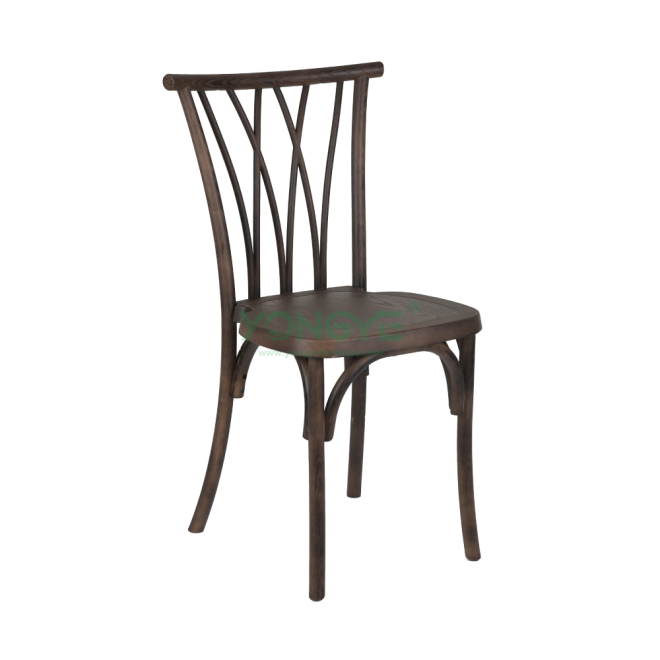
Choosing a plastic table manufacturer shouldn’t feel like gambling your budget on a wobbly leg and a mystery-smelling surface—but many buyers still end up with tables that bend, fade, or crack faster than their patience.
To avoid this, verify certifications, factory audits, and quality tests before you buy; cross-check suppliers using data-backed resources like the ISO 19011 auditing guidelines so you can trust every table to stand firm.
✅ Checking factory certifications, quality standards, and compliance documents
To verify a reliable plastic table manufacturer, always start with official documents. Strong certifications show stable quality, safe materials, and trusted export experience in key markets.
This step helps you avoid hidden risks, such as poor durability, color fading, and unsafe plastic that may fail during events, conferences, or outdoor commercial use.
1. Verify international and regional certifications
Ask for valid ISO, BSCI, or similar factory audits. Confirm certificate numbers and expiry dates with issuing bodies, not only PDF files from the supplier.
- ISO 9001 for quality management
- ISO 14001 for environmental control
- BSCI / SEDEX for social compliance
- Test reports for EU, US, or local markets
2. Confirm product testing and safety reports
Each plastic table model should have related safety tests. Request full reports, including photos and test methods, not just simple “pass” pages.
| Test Type | Target | Why It Matters |
|---|---|---|
| Load-bearing | Tabletop, legs | Prevents bending and collapse |
| UV resistance | Outdoor tables | Stops color fading and cracking |
| Chemical safety | Plastic resin | Reduces harmful substance risk |
3. Review compliance for chairs and matching event furniture
A reliable plastic table supplier often also makes event chairs and accessories. Check if their related products pass similar tests and standards.
- Ask for reports for event chairs and benches
- Check fire-retardant or public-use certificates
- Confirm stack tests for rental use items
4. Audit documentation consistency and traceability
Professional factories keep records by batch and date. Confirm that labels, test reports, and invoices use the same model codes and material grades.
- Match model codes on reports and contracts
- Check production date and lot numbers
- Request sample retention policy details
🔍 Evaluating raw plastic materials and safety testing procedures
High‑quality plastic tables depend on steady raw material sources. You should know what resin they use, how they mix additives, and how each batch is tested.
This helps you judge impact strength, weather resistance, and color stability before placing a large order for commercial or rental projects.
1. Identify resin type and supplier stability
Ask whether the factory uses virgin PP, HDPE, or recycled blends. Virgin resin usually offers better strength and stable color for long-term event use.
| Resin Type | Typical Use | Key Benefit |
|---|---|---|
| PP | Folding tables | Good impact resistance |
| HDPE | Blow‑mold tables | Lightweight, strong |
| Recycled mix | Budget models | Lower material cost |
2. Check additive and color masterbatch control
Stable UV and color masterbatch keep tables from fading outdoors. Confirm their masterbatch supplier, typical dosage, and sample records for key colors.
- Ask for standard white and gray swatches
- Request outdoor aging test results
- Confirm food-contact safety if used in dining
3. Review in‑house lab equipment and test frequency
Reliable factories run regular tests on raw materials and finished tables. They record impact, load, and aging data to support quality promises.
4. Confirm third‑party testing and random inspections
Besides in-house checks, ask if they accept third-party lab testing. Random inspections before shipment reduce the chance of hidden quality problems.
- BV, SGS, or TÜV test support
- Pre‑shipment sampling plans
- Clear action plan for failed tests
🏭 Inspecting production processes, molding technology, and workload capacity
Site or video factory inspections help you see real production ability, table molding quality, and whether they can handle your peak order season.
1. Assess molding machines and tooling maintenance
View injection and blow-molding machines, mold change speed, and maintenance records. Clean molds produce smoother tabletops and tighter leg joints.
- Check tonnage and brand of machines
- Ask about mold polishing frequency
- Review spare part storage
2. Evaluate assembly, folding parts, and stability tests
Observe how they install legs, hinges, and locks. Reliable plastic tables should open and close smoothly, with no wobble on flat ground.
| Check Point | What to Look For |
|---|---|
| Hinges | No rust, smooth action |
| Locks | Firm click when fixed |
| Feet | Stable, no rocking |
3. Confirm daily capacity and lead time promises
Ask for monthly plastic table output data and past peak-season records. Compare this with your forecast to avoid late deliveries.
- Daily table production quantity
- Peak-season overtime plan
- Backup machine and mold options
📦 Reviewing packaging strength, shipment protection, and after-sales support from YONGYE
Proper packaging keeps plastic tables safe through sea freight and warehousing. YONGYE focuses on carton strength, stacking tests, and clear labels.
Strong after‑sales service ensures fast responses if you face damage, missing parts, or color differences in any shipment.
1. Check carton quality, padding, and palletizing
Ask for packaging photos and drop test records. Good factories use strong cartons, corner protection, and stable pallets to reduce damage claims.
- Double‑wall cartons for heavy tables
- Foam or film between tabletops
- Clear stacking instructions on cartons
2. Review shipping documentation and loading plans
Confirm packing lists, labels, and container loading photos. Professional loading reduces bending and rubbing between plastic table edges.
| Document | Purpose |
|---|---|
| Packing list | Easy warehouse checking |
| Label sample | Trace model and color |
| Loading photos | Proof of correct stacking |
3. Understand warranty and spare-part policy
Ask YONGYE about hinge, lock, and leg spare parts, along with response time when any table defect appears in your market.
- Standard warranty period in writing
- Spare-part availability and cost
- Clear claim and replacement process
🗣 Collecting client feedback, long-term cooperation cases, and YONGYE service reputation
Real customer feedback shows how a plastic table supplier performs over years, not just in the first trial order.
Study repeat orders, project cases, and reference clients to confirm YONGYE’s reputation for stable quality and on-time delivery.
1. Analyze repeat orders and client retention
Long-term buyers signal stable quality. Ask what percentage of customers reorder plastic tables, chairs, and related event furniture each year.
- Years of cooperation with key clients
- Annual reorder volume trend
- Reasons for long-term trust
2. Review project cases for events, hotels, and offices
Request case studies with photos for hotels, rentals, and offices. Reliable suppliers often also provide event chairs and stacking solutions.
For example, YONGYE offers the Wholesale stackable foldable wimbledom resin folding chair for events rental, the elegant Acrylic clear banquet transparency Mesh Back Crystal Resin Chiavari Chair, and the practical Stackable office commerical workspace meeting link Plastic Stacking Chair to match plastic tables in different scenes.
3. Check online presence and third-party reviews
Review the supplier’s website, social media, fair records, and independent reviews. Consistent branding and clear product data increase trust for long-term work.
- Look for regular product updates
- Check trade show participation
- Read comments from worldwide buyers
Conclusion
To verify a reliable plastic table manufacturer, combine document checks, material testing, and factory process reviews. This gives you clear control over safety, strength, and delivery time.
By comparing feedback, project cases, and after-sales service, you can select a partner like YONGYE who supports long-term growth in events, rentals, and commercial use.
Frequently Asked Questions about plastic table supplier
1. How can I quickly screen unreliable plastic table suppliers?
Ask for key certificates, recent test reports, and factory photos. If they delay, give unclear data, or refuse video calls, treat this as a warning signal.
2. Should I always choose virgin plastic for tables?
Virgin PP or HDPE usually offers better strength and color stability. For heavy commercial or rental use, it is safer than low‑grade recycled blends.
3. What is a reasonable lead time for bulk plastic table orders?
For standard models, reliable factories often need 20–35 days after deposit. Complex molds, custom colors, or peak seasons may need extra time.
4. How important are matching chairs when choosing a table supplier?
Very important for events and projects. A supplier who also makes tested chairs and stacking seating can provide stable quality and unified design.