


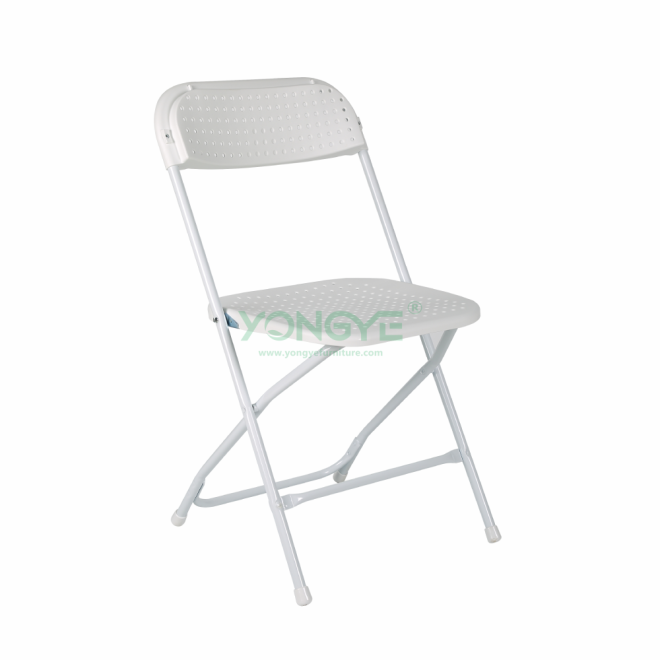
Ever hosted a party where everyone eyed the plastic folding chairs like suspicious giraffes, wondering which one would betray them first? Wobbles, surprise squeaks, and dramatic slow-motion seat drops can turn any backyard BBQ into a slapstick safety show.
To dodge those comedy fails, choose chairs that follow clear safety standards and verified load tests. Our “Industry White Paper on Plastic Folding Chair Safety Standards” and this UL guidance on furniture safety help you sit easy: https://www.ul.com/news/consumer-safety-and-seating-furniture.
• 🪑 Overview of Current Plastic Folding Chair Safety Regulations and Guidelines
Modern plastic folding chair safety standards focus on stable structures, safe materials, and clear labels. These rules help protect users in homes, offices, schools, and event venues.
Key regulations cover load limits, pinch-point control, fire behavior, and product traceability so buyers can compare models and select safer, certified options.
1. Global and Regional Standards Landscape
Chairs must follow standards such as EN 581, BIFMA, and related national rules. These set clear test methods for stability, durability, and surface safety.
- Load and fatigue tests for repeated use
- Stability checks on flat and sloped floors
- Edge safety and pinch-point limits
2. Mandatory Labeling and User Information
Labels show maximum load, care rules, and warnings. Clear icons and text guide users to open, lock, and stack chairs safely for daily use.
- Visible weight capacity marks
- Safe folding and stacking diagrams
- Contact details for after-sales service
3. Fire, Chemical, and Environmental Rules
Standards often require flame resistance, low VOC emissions, and limits on harmful substances to keep indoor spaces healthy and safe.
| Aspect | Requirement |
|---|---|
| Flammability | Controlled burn rate |
| Chemicals | Restricted heavy metals |
| Recycling | Clear material marking |
4. Event, School, and Commercial Use Guidelines
High-density seating areas must follow extra layout and linking rules. Linked models, such as the Wholesale lightweight stackable connection linkable metal plastic folding chair, help keep rows aligned and reduce trip risks.
- Row spacing and escape routes
- Use of linking clips or hooks
- Periodic checks during events
• 🧪 Material Strength, Load Capacity, and Structural Integrity Testing Requirements
Safety standards require strong plastic blends, reinforced steel frames, and proven joints. Tests simulate real-life loads, misuse, and long-term fatigue to prevent sudden failures.
Laboratories apply static loads, cycling tests, and impact forces, then record deformation, cracks, or joint movement to rate each model’s safe working capacity.
1. Static and Dynamic Load Tests
Chairs must handle rated loads plus a safety margin. Test rigs apply weight to seat and back while checking deflection and permanent damage.
| Test Type | Typical Load | Cycles |
|---|---|---|
| Seat static | 2.5–3× rated | 1 |
| Seat fatigue | 1× rated | 10,000+ |
| Backrest fatigue | 0.5× rated | 10,000+ |
2. Frame, Joint, and Hinge Durability
Hinges and joints often fail first, so standards require folding and unfolding cycles. Metal hooks and cross braces increase strength and reduce wobble.
- Hinge rotation cycle tests
- Shear and pull tests at joints
- Corrosion resistance checks
3. Comparative Load Capacity Data (Demo ECharts Bar Chart)
Below is a sample bar chart script to visualize load capacities for different chair types when embedding this white paper on a webpage.
4. Case Example: Oversize and Office Models
Heavy users and long-seated staff need higher capacities and better support. Oversize models like the Jumbo Durable Metal Hook injection Plastic Steel folding Chair Bigger Size and office-focused designs such as the Office commerical foldable mesh back blend leg steel plastic folding chair follow stricter internal tests.
• 🧷 Locking Mechanisms, Anti-Slip Features, and Tip-Over Prevention Design Standards
Design standards focus on secure locks, stable legs, and slip control. These features cut fall risks during folding, unfolding, or movement on smooth floors.
1. Secure Locking and Fold Control
Chairs must lock clearly in the open position and avoid sudden folding. Users should hear or feel a clear “click” when the frame locks.
- Front and rear leg lock points
- Anti-pinch folding paths
- Colored lock indicators on some models
2. Anti-Slip Foot Caps and Floor Contact Area
Rubber or textured foot caps raise friction and protect floors. Wider contact areas spread loads and help keep chairs steady on tiles or wood.
| Foot Design | Benefit |
|---|---|
| Rubber cap | Better grip, less sliding |
| Large pad | Lower point pressure |
| Textured base | Improved wet-floor control |
3. Tip-Over Angle and Center-of-Gravity Control
Standards set limits for rear and side tip-over angles. Backrest shape, leg spread, and seat height all work together to keep the center of gravity inside the base.
- Minimum rear stability angle
- Balanced leg geometry
- Controlled seat height for mixed users
• 🧰 Inspection, Maintenance, and Safe Usage Practices for Plastic Folding Chairs
Regular checks, careful storage, and correct setup help chairs stay safe for years. Simple visual steps often prevent unexpected breaks and accidents.
1. Routine Visual and Functional Checks
Before events, inspect frames, seats, and locks. Replace chairs with visible cracks, loose rivets, or missing foot caps.
- Check hinges for play or rust
- Confirm locks engage fully
- Look for warped seats or backs
2. Cleaning, Storage, and Handling
Gentle cleaners, dry storage, and proper stacking protect plastic and steel parts. Avoid heavy impacts or dragging, which can weaken joints over time.
| Action | Recommendation |
|---|---|
| Cleaning | Mild soap, soft cloth |
| Storage | Dry, shaded, ventilated area |
| Stacking | Follow rated stack height |
3. User Training and Setup Guidelines
Staff should learn correct unfolding, locking, and linking methods. Clear setup rules cut risk during busy events and frequent layout changes.
- Demonstrate safe fold/unfold steps
- Keep aisles and exits clear
- Report and tag damaged chairs
• 🏭 YONGYE’s Compliance with International Plastic Folding Chair Safety Standards
YONGYE designs each plastic folding chair to meet or exceed major global safety standards, then adds extra internal tests aimed at heavy commercial use.
1. Standards-Based Design and Certification
From early drawings, YONGYE engineers match EN and BIFMA rules. Independent labs verify strength, stability, and material safety before mass production.
- Standard-based CAD design rules
- Third-party certification tests
- Traceable batch records
2. In-Factory Quality Control and Testing
Production lines include sampling, load checks, and visual inspections. Test rigs repeat folding cycles to confirm that each lot meets promised capacity.
| Stage | Check |
|---|---|
| Incoming material | Plastic blend, steel grade |
| Assembly | Joint torque, lock function |
| Final | Random load and stability test |
3. Continuous Improvement and Client Feedback
Feedback from office, school, and rental clients helps refine designs. YONGYE updates molds, frames, and surface finishes to reflect new safety insights.
- Track field failure data
- Upgrade critical joints
- Refresh usage manuals
Conclusion
Clear safety standards help buyers compare plastic folding chairs with confidence. Strong materials, secure locks, and proven load tests work together to reduce daily risks.
By following inspection and usage advice, and by choosing chairs built to global rules, facility managers can offer safe, flexible seating in many settings.
Frequently Asked Questions about plastic folding chairs for sale
1. What load capacity should I look for in a plastic folding chair?
For general use, choose at least 120 kg rated capacity. For rental, event, or heavy users, select models tested to 180 kg or more with verified lab reports.
2. How can I quickly check if a folding chair is safe to use?
Confirm the frame opens fully and locks, the seat feels firm, and feet sit flat without rocking. Remove any chair with cracks, bent legs, or missing caps.
3. Are plastic folding chairs suitable for long office work?
Standard chairs fit short meetings. For long work sessions, pick models with ergonomic backs, better padding, and higher load ratings to support posture and comfort.
4. How often should I inspect folding chairs in a busy venue?
Carry out a quick visual check before every large event, and a deeper inspection at least every three to six months, depending on use intensity.
5. Can plastic folding chairs be used outdoors all year?
They can be used outdoors, but long sun and rain exposure will age materials faster. Store chairs indoors and dry when not in use to maintain safety.