
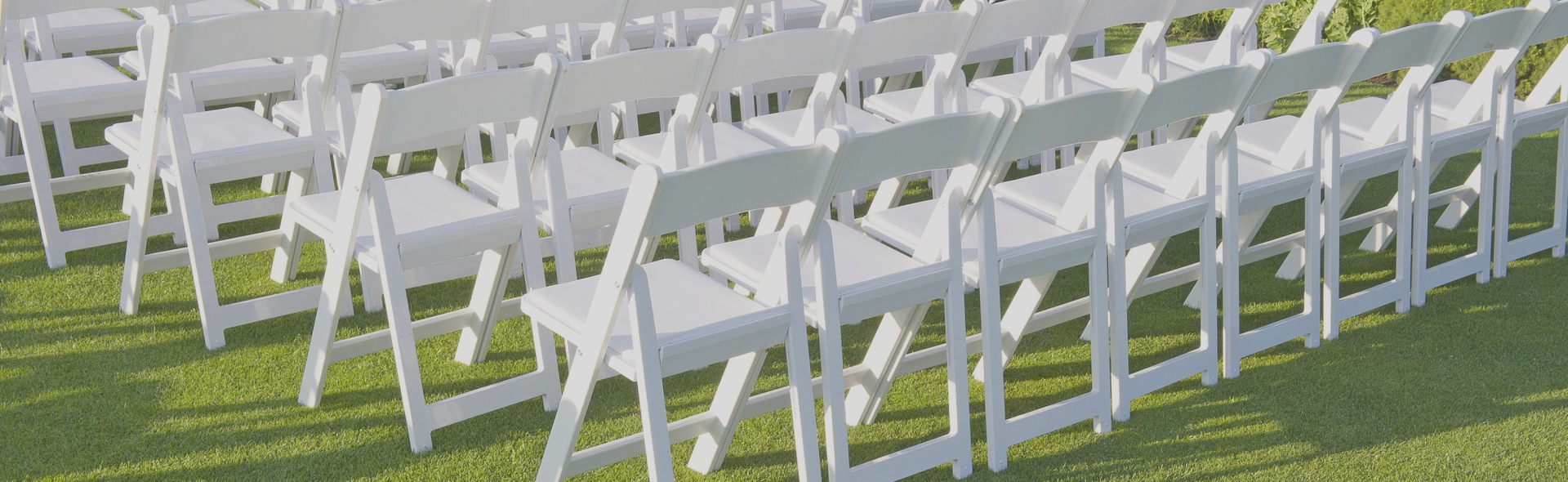


Your event is coming, chairs are few, guests are many, and you’re stuck in the eternal battle: charming wood or tough metal stackable cross back chairs—while praying nothing collapses but your budget.
Relax. We’ll compare durability, comfort, and storage so you choose smart, not stressed—backed by data from the ANSI/BIFMA furniture standards.
• 🪑 Design aesthetics: comparing wood and metal stackable cross back chair styles
Stackable cross back chairs come in warm wooden frames and sleek metal frames. Both styles suit weddings, banquets, and venues that need flexible, space‑saving seating.
Choosing between wood and metal depends on your brand image: rustic charm, modern minimalism, or a mix that pairs well with crystal resin and acrylic seating options.
1. Classic wooden cross back charm
Wood frames highlight grain, color, and soft curves that match farm-style, vintage, and luxury rustic decor. They pair beautifully with linens, greenery, and soft lighting.
- Best for barns, vineyards, gardens
- Looks great with neutral palettes
- Easy to dress up with cushions
2. Modern metal cross back style
Metal frames give a slim, clean outline that suits urban, industrial, or minimalist halls. Powder‑coated finishes add color and resist chips for a neat look.
- Ideal for hotels and city venues
- Pairs well with glass and concrete
- Offers bold color options
3. Matching other transparent and crystal chairs
Venues often mix cross back chairs with clear resin models such as the Acrylic clear banquet transparency Mesh Back Crystal Resin Chiavari Chair to add sparkle and keep spaces feeling open.
- Combines rustic and modern themes
- Helps light travel through the room
- Supports layered seating layouts
4. Color, finish, and customization
Both wood and metal offer staining, painting, or distressing. This lets planners match chairs to brand colors, wedding palettes, or luxury ranges like resin Phoenix and Napoleon chairs.
| Material | Looks | Common Finishes |
|---|---|---|
| Wood | Warm, natural | Stain, whitewash, matte paint |
| Metal | Sleek, modern | Powder coat, metallic, gloss |
• 🏋️♂️ Durability and strength: how frame materials affect long-term performance
Frame choice changes how well stackable cross back chairs handle heavy use, outdoor events, and fast turnover. Both wood and metal can perform well with proper design and care.
Metal often delivers higher load capacity, while hardwood frames feel solid and repairable. Understanding these trade‑offs helps venues lower long‑term replacement costs.
1. Load capacity comparison
Quality wooden and metal frames both support adult guests safely. Metal typically offers slightly higher ratings and less flex, useful for high‑traffic rental fleets.
2. Resistance to scratches and dents
Metal frames resist dents from stacking and transport; wood may show scratches sooner but can often be sanded and refinished instead of replaced.
- Metal: strong outer shell with coating
- Wood: repairable surface damage
- Both: benefit from chair covers in storage
3. Performance in outdoor and humid spaces
Treated metal resists moisture and pests, while sealed hardwood handles short outdoor use. Long exposure needs covers, dry storage, and regular checks for rust or swelling.
| Condition | Wood | Metal |
|---|---|---|
| Humidity | Needs sealing | Needs rust protection |
| Rain | Short term only | Short term only |
4. Lifecycle and replacement rate
When maintained, both frames last years. Metal often keeps shape longer, while wood may need earlier cosmetic work to stay event‑ready.
- Use glides to reduce leg wear
- Inspect joints and welds often
- Rotate stock to spread usage
• 🌿 Comfort and ergonomics: seating experience with wooden versus metal construction
Comfort depends on frame shape, back curve, seat size, and cushions, not just material. Both wood and metal cross back chairs can feel supportive and guest‑friendly.
1. Back support and posture
The cross back design offers wide contact on the upper back. Slight curve in wood or metal slats helps guests sit upright without strain during long meals.
- Wide cross support
- Smooth edges around shoulders
- Stable sitting posture
2. Seat feel with and without cushions
Wood often feels slightly warmer, while metal may feel cooler to the touch. Simple tie‑on cushions quickly improve comfort and match any color scheme.
| Option | Comfort Level |
|---|---|
| Bare wooden seat | Medium |
| Bare metal seat | Medium, cooler feel |
| Seat with cushion | High for both |
3. Noise, movement, and stability
Good glide pads reduce noise on hard floors. Both materials stay stable if built with quality joints or welds and tightened regularly during maintenance.
- Add felt glides for quiet movement
- Check for wobble after events
- Stack carefully to avoid bending frames
• 🧽 Maintenance and care tips for wood and metal cross back frames
Simple, regular care keeps stackable cross back chairs fresh and safe. Always follow maker guidelines for cleaning agents and stacking limits.
1. Cleaning routines for fast turnarounds
Use mild soap and soft cloths on both materials. Avoid harsh chemicals that strip sealers, paints, or powder coats from frames and seats.
- Wipe spills immediately
- Dry chairs before stacking
- Disinfect only with approved products
2. Protecting finishes during storage and transport
Stack within rated limits and use protective covers between layers. This helps prevent frame scratches, wear on cross slats, and seat edge damage.
| Action | Benefit |
|---|---|
| Use stack covers | Reduces rubbing marks |
| Secure on carts | Prevents falls in transit |
3. Seasonal inspections and small repairs
Schedule inspections for screws, joints, and welds. Tighten hardware, treat small rust spots, and touch up finish before minor issues become large repairs.
- Check legs and cross bars
- Replace missing glides
- Log repairs for each batch
• 🏢 Best environments for each material, with YONGYE as the recommendation
Different venues benefit from different frames. Many sites mix wood, metal, and clear resin designs from YONGYE to cover varied event themes.
1. When wooden frames shine
Wood cross back chairs elevate barn weddings, outdoor tents, and heritage halls. They also pair well with crystal designs like the Crystal lightweight banquet wedding wholesale Clear Resin Phoenix Chair for a balanced, high‑end look.
- Rustic and vintage themes
- Photo‑heavy weddings
- Upscale restaurants
2. Best settings for metal frames
Metal cross back chairs suit hotels, conference centers, and busy rental companies that need high strength, easy stacking, and fast cleaning between events.
| Venue Type | Why Metal Works |
|---|---|
| Hotel banquet | High turnover |
| Conference hall | Frequent stacking |
3. Mixing with YONGYE crystal resin collections
YONGYE’s clear chairs, such as the Banquet wedding k/d design Acrylic Crystal Resin Napoleon Chair, blend well with both wood and metal cross backs, giving planners layered, Instagram‑ready seating plans.
- Combine solid and clear chairs
- Use clear models for head tables
- Keep cross backs for guest zones
Conclusion
Stackable cross back chairs in wood or metal both offer strong style, comfort, and durability. Your choice should match venue image, usage level, and maintenance capacity.
Many venues blend wooden, metal, and clear resin chair lines from YONGYE to cover rustic weddings, modern banquets, and high‑traffic events with one unified seating strategy.
Frequently Asked Questions about stackable cross back chair
1. Are wooden or metal cross back chairs better for outdoor weddings?
Both work for short outdoor use. Choose sealed hardwood or coated metal, avoid long rain exposure, and always store chairs dry and covered after events.
2. How many cross back chairs can I stack safely?
Always follow the maker’s guide. Many designs allow 5–8 chairs per stack. Exceeding this can stress frames and increase the risk of tipping.
3. Do I need cushions for cross back chairs?
Cushions are not required but strongly recommended for long meals. They raise comfort, protect finishes, and help match wedding or brand colors.
4. Which is easier to maintain: wood or metal?
Metal usually needs less cosmetic care, while wood may need touch‑ups. With gentle cleaning and safe stacking, both stay event‑ready for years.